
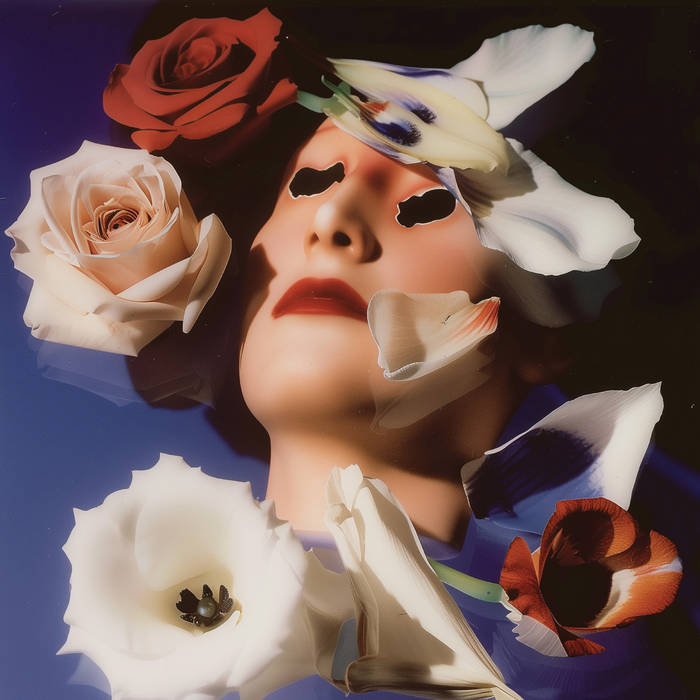
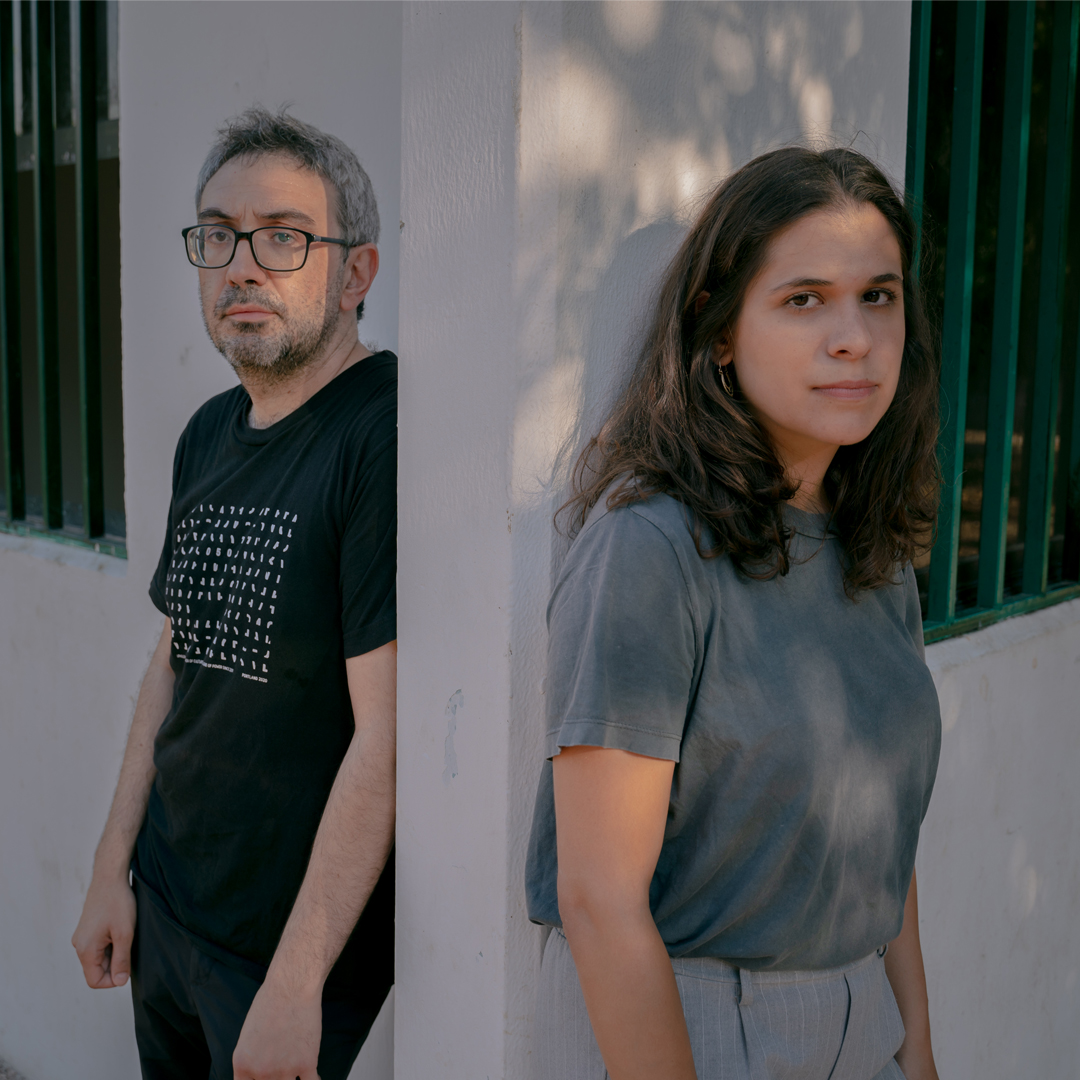
On their sophomore album, Snakeskin have carved out their own space in contemporary experimental music. Formed by Fadi Tabbal and Julia Sabra – both prominent figures in Beirut’s alternative music scene – the duo debuted in 2022 with their self-titled album, released in the wake of the devastating 2020 Beirut port explosion, which left lasting scars on the city and its people.
The years since have only amplified the suffering, as They Kept Our Photographs emerges under the shadow of an Israeli invasion. Written during the escalating destruction of Gaza but before that violence reached their doorstep, the album rings hauntingly prophetic. With this release, Snakeskin offer a starkly original and deeply authentic depiction of life under the shadow of war, whilst solidifying their sonic palette and artistic approach.
The gentle drones of ‘In My life’ open the album with a sense of stillness, inviting a necessary slowing down – an emotional attentiveness. Interspersed with eerie ringing and resonant tones, a faintly ominous landscape lingers beneath the surface. It’s a lonely, sparse atmosphere. Sabra’s intimate introductory vocals conjure the moment where a talkative crowd falls silent, as a performer steps into a solitary spotlight. “In my life, I will love in time / Through the dark and light, through it all” – lyrics that elsewhere might evoke a romantic declaration are reshaped into something more plaintive through the track’s experimental elements. The refrain becomes a sombre resolve, a manifestation forged from a famine of “love” and “light”.
Dream-pop influences become more pronounced on ‘Is it Over?’. Wistful marimba melodies and steady percussion are layered with ethereal vocals, before syncopated breakbeats erupt as Sabra delivers the chorus. It evolves almost into a liquid drum and bass track, but remains anchored in mournful lyrics: “The portrait of a dead man watches over us”.
Snakeskin frequently conceal darker, more unsettling themes beneath atmospheric compositions. While dream-pop and shoegaze often lean into melancholia, here, experimental and industrial elements – at times abrasive, at times unconventional – steer the music away from sentimentality or cliché. The fusion of these elements provides genuine emotional weight. This is not music that facilitates self-pity. Instead, it immerses you in the profound depths of other peoples’ experiences. This blend of fragility and innovation ensures every note feels deeply authentic and lived-in.
A machine-gun style backing beat drives ‘Bodies’ from the outset. Against this uncompromising rhythm, Sabra produces stark imagery: “Sunken eyes and shaking bodies / Limbs that hang from bedsheet wrappings”. Melodic backing vocals gradually layer in, yet the beat remains unyielding, train-like in its regularity. Synths swell with anticipation, but the tension remains unresolved, dissipating only as the song fades into silence.
The following ‘Homecoming’ opens with eerie electronic wobbles, paired with the faint patter of hand percussion. Sabra’s subtly-autotuned, falsetto vocals carry a disquieting edge as she sings the pivotal lines: “They kept out photographs / Hung on their walls”. Once again, a juxtaposition emerges between the steady foundation and the dynamic, experimental layers above, where discordant and unusual elements cultivate a lingering atmosphere of unease.
There’s a sense with many of these tracks that they could lean towards something straightforwardly enjoyable. There are shades of Wolf Alice and Caroline Polachek, whilst many moments would not feel out of place on Eartheater’s ‘Trinity’. Yet Snakeskin persist in a kind of off-kilter aesthetic. In including experimental and unsettling components, they carve their own space of dual discomfort and intrigue, and significantly, pure originality.
‘Waiting’ marks the album’s midpoint, with Sabra reciting lines from Lebanese-American poet Etel Adnan’s ‘To Be In a Time of War’. The poem’s relentless construction of a to-do list is amplified as overlapping voices blur into an unintelligible cacophony, underscored by despondent, plucked strings and scattered drum crashes that defy any discernible pattern. The soundscape encapsulates a profound feeling of dislocation, an echo of the reality so many people have been forced into in today’s climate.
‘These Times’ takes its time; the gentle ambience of the opening few minutes gradually unfolds into the album’s most art-rock-oriented arrangement. Snakeskin possess a patience in their song-writing, unafraid to let tracks breathe and linger on specific emotions and feelings. This pacing does not detract from the project’s tautness; at nine songs and a runtime of just under 40 minutes, they manage to explore a wide array of themes which are neither exhausted nor scattershot. Recalling the album’s opening song, these moments across the record call for a necessary slowing down, demanding contemplation rather than hurried consumption.
The relative light of ‘These Times’ is counteracted by the suffocating intensity of ‘Sunburst’, a more abrasive composition featuring some of the album’s most haunting sound design and vocal delivery. This is shifted once more on ‘Anyway’, where softer synths accompany poignant lyrics: “I fell for you / fell in way too deep.” By bookending the album with songs about love, They Kept Our Photographs is not just a reflection on darkness. It is as much an exploration of vulnerability, heartbreak and resilience as it is a depiction of suffering.
The closing, entirely instrumental, ‘Souvenirs Intimes’ provides an interesting conclusion. Drones oscillate with fragility as the occasional dark thud of a piano chord punctures through. The track, along with the album, resists singular interpretation, evoking both sorrow and hope whilst committing fully to neither. It’s not to say that Snakeskin look for hope in the hopeless – they don’t – but by magnifying the everyday and the intimate, they offer glimpses of humanity and life that are so absent in typical depictions of war and conflict.
As the album fades out to the murmur of background chatter, it leaves a resonant feeling of truth: They Kept Our Photographs is not merely an album about war but about life under its shadow – the enduring reality that, in spite of the horrors, life persists.
Album Image Credit: Mohamad Abdouni @ Mais Um

 disorientalise
Leave a reply to Disorientalise’s 10 Tracks of the Year 2024 – disorientalise Cancel reply